
The short version
Greece re-entered the international property conversation for three reasons that have nothing to do with sentiment: a recovered economy, a residence-by-investment programme that still functions, and a tourism sector that has outgrown its own housing stock. The interesting question is no longer whether to buy in Greece. It is where.
Athens is not one market
Treating "Athens" as a single investment is the most common and most expensive mistake foreign buyers make. The centre, the southern coast and the eastern corridor behave like three separate markets with different buyers, different seasons and different risks.
The centre trades on tourism and is the most exposed to short-let regulation. The southern riviera trades on prestige and has already repriced. The eastern corridor — the axis running from Attiki Odos out to the airport and the coast — trades on infrastructure, and infrastructure does not have a low season.
What sits beside an airport
Athens International Airport is the country's single largest transport asset and one of its largest employment sites. Around it operate airlines, ground handling, freight, maintenance, hotels, car rental, logistics and the conference traffic that follows all of it. That generates a category of demand that most residential investors never model:
- Crew and rotational staff — airline and handling personnel on multi-week postings who need a real home, not a hotel room.
- Early and late connections — passengers on flights that make a city-centre stay impractical.
- Corporate and project stays — engineers, contractors and consultants on assignments measured in weeks.
- Coastal overflow — Artemida, Loutsa and Rafina are minutes away, and the port serves the Cyclades and Evia.
- Local long-let demand — Spata is a working town with its own residents, not a dormitory.
The result is a demand profile that is diversified and largely aseasonal — the opposite of the classic August-dependent Greek holiday let. It is also the profile least disturbed by short-let regulation, because it does not depend on short lets alone.
Why compact units, specifically
Every category above wants the same product: a complete, well-built, self-contained residence with a real bathroom, a real kitchen and somewhere to put a suitcase. Not a converted room. Not a family apartment priced for a family.
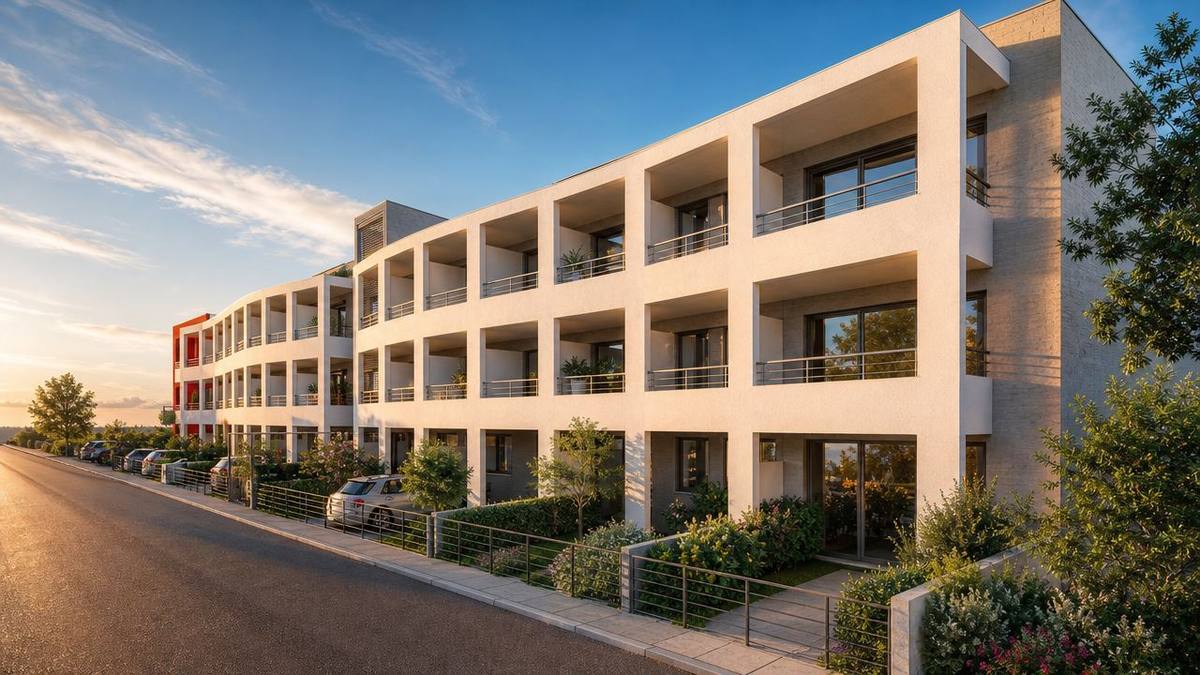
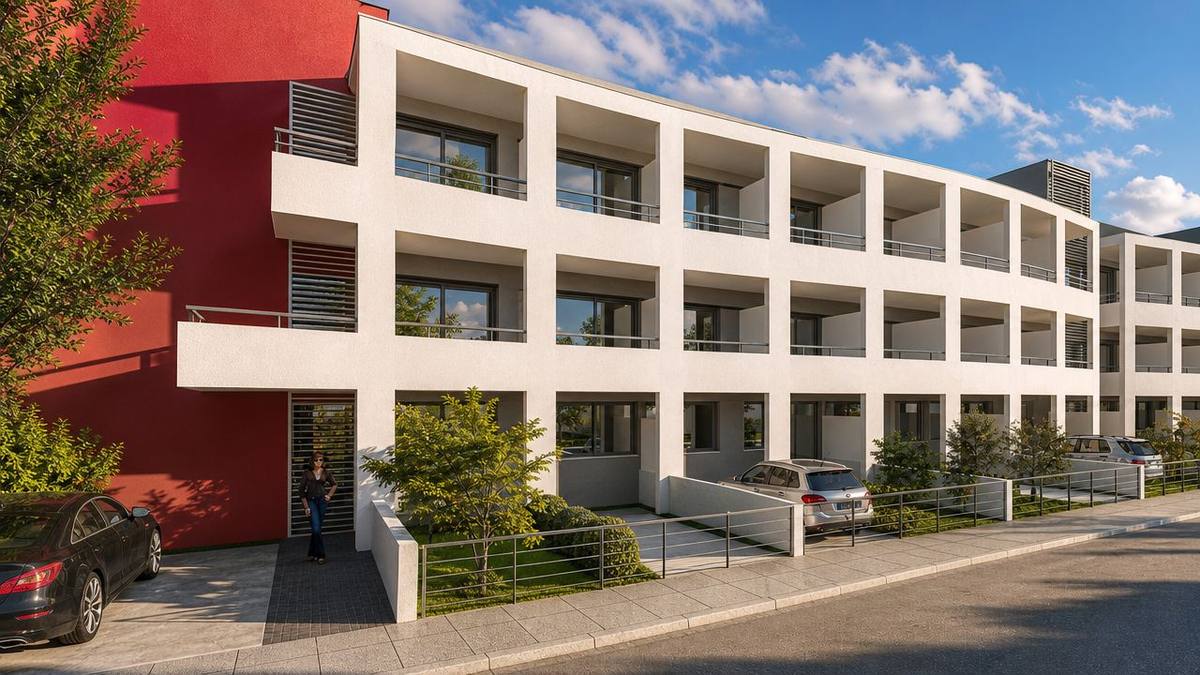
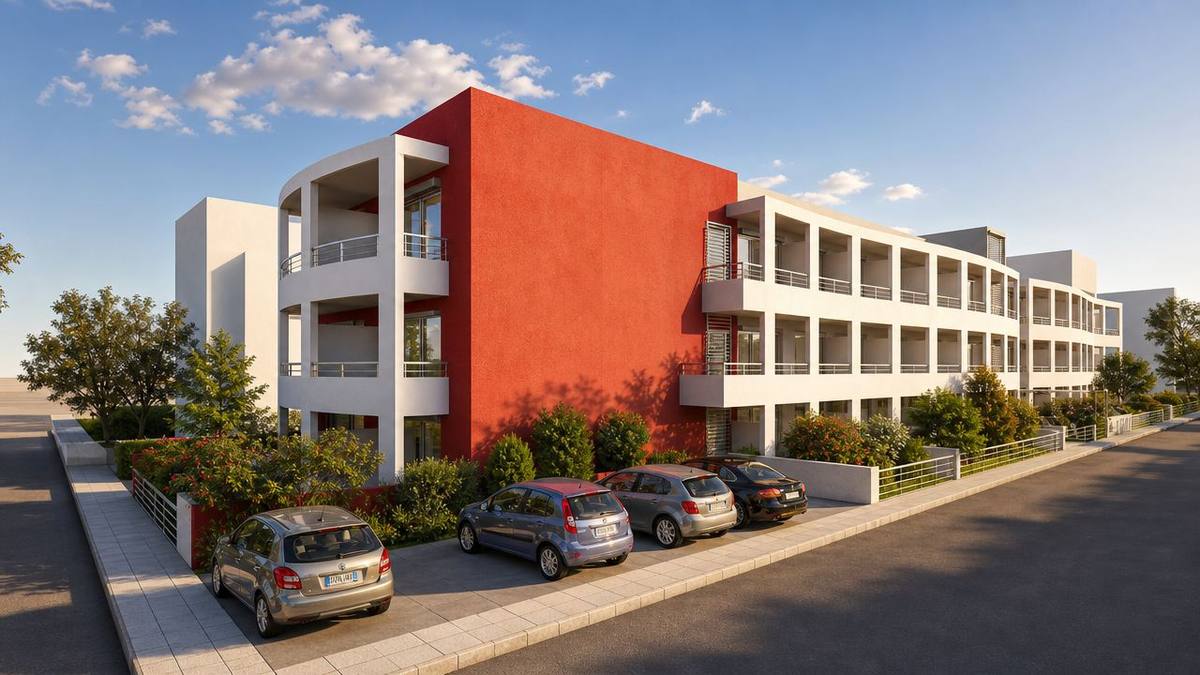
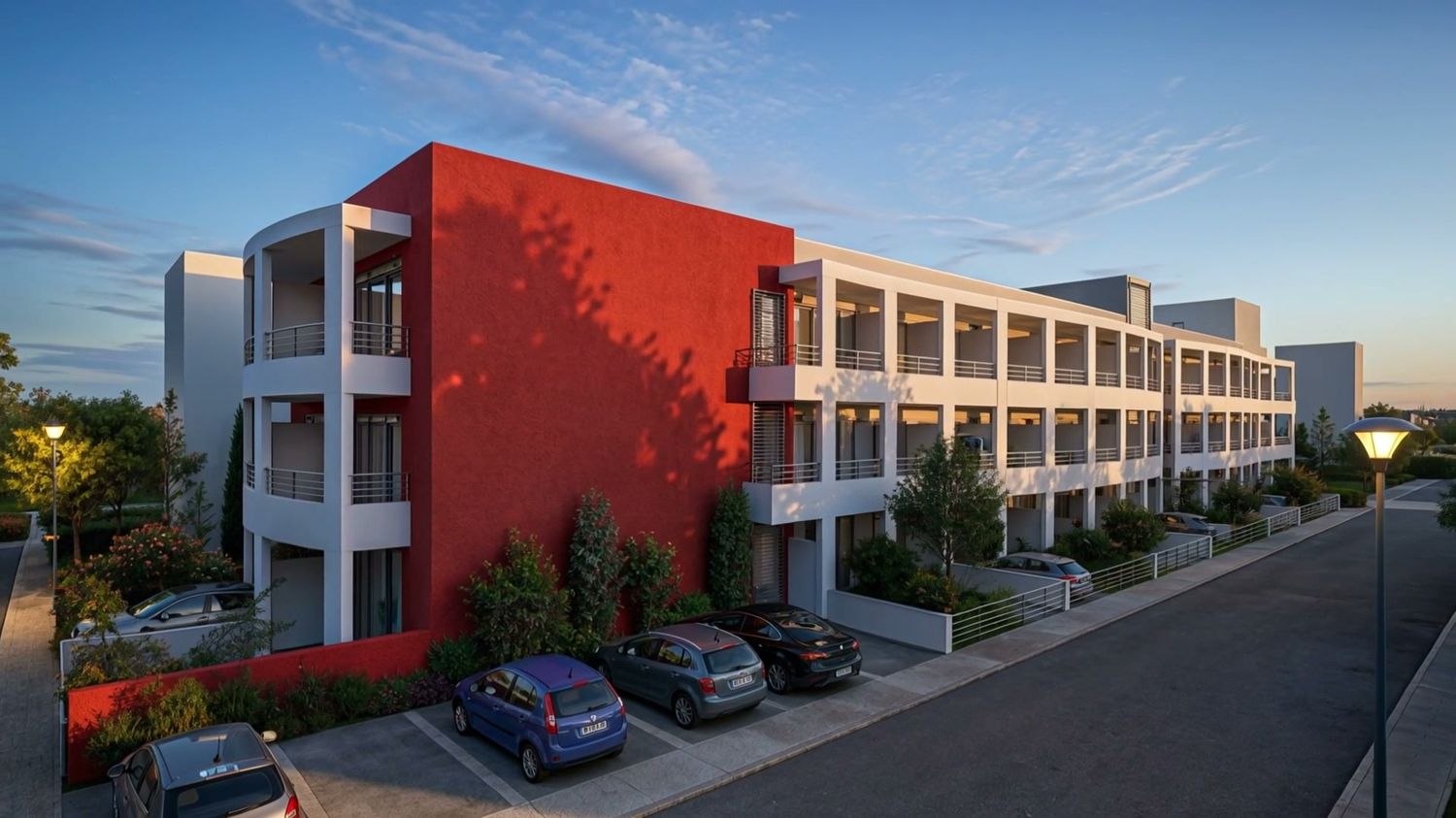
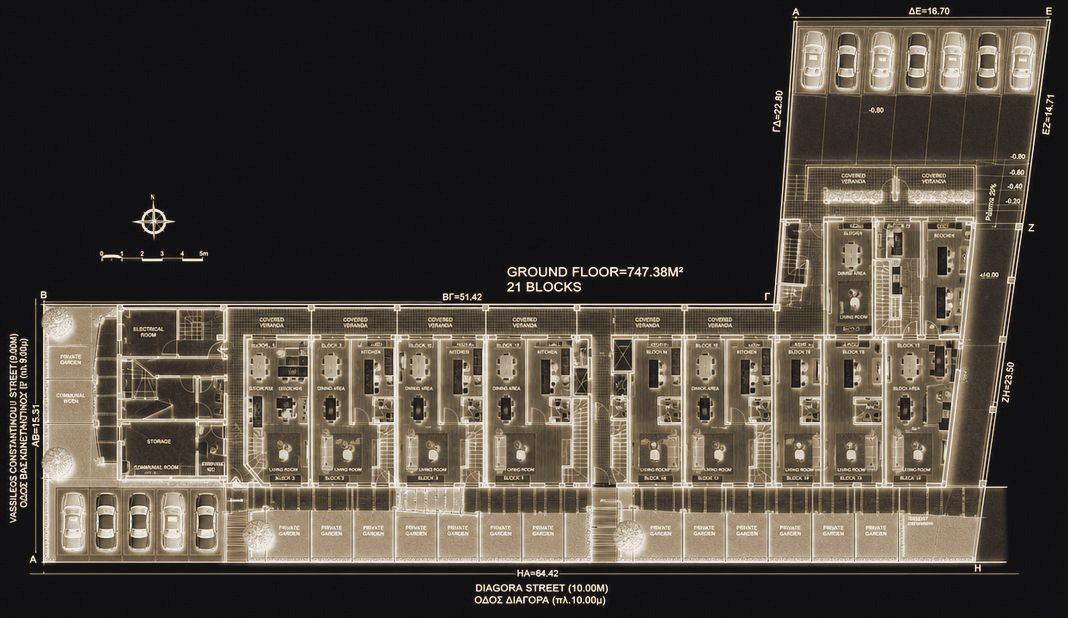
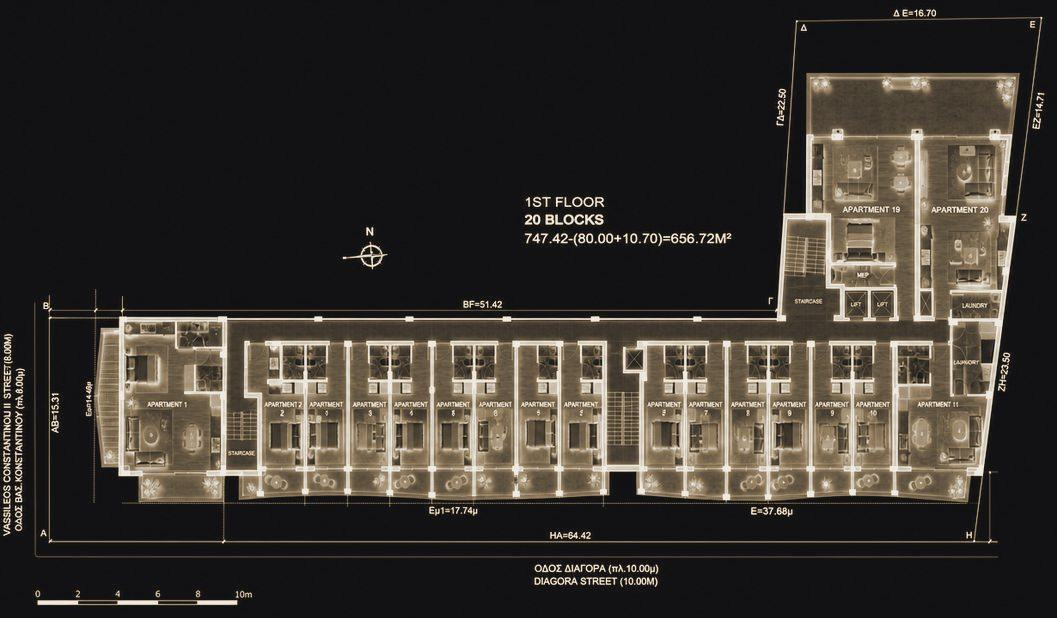
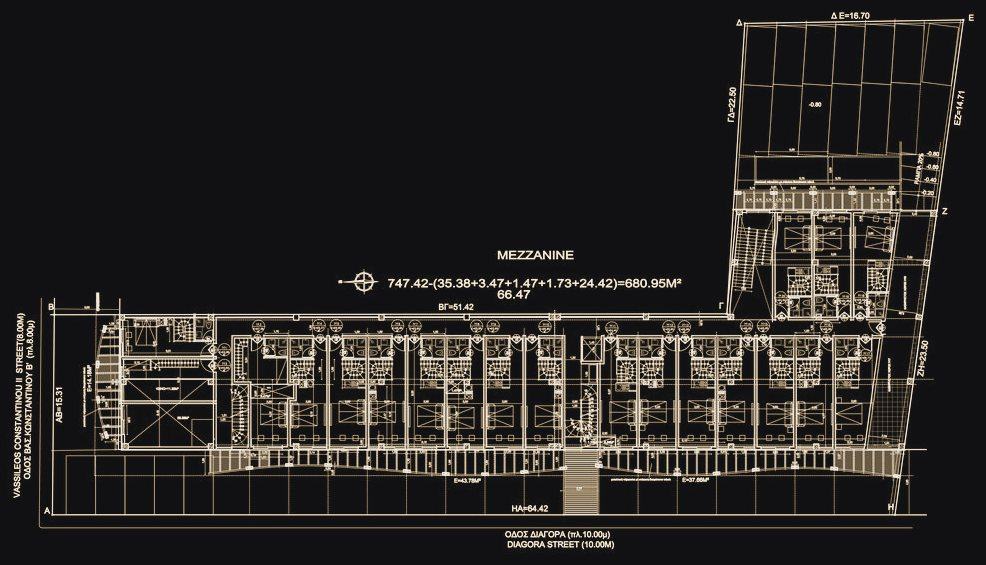
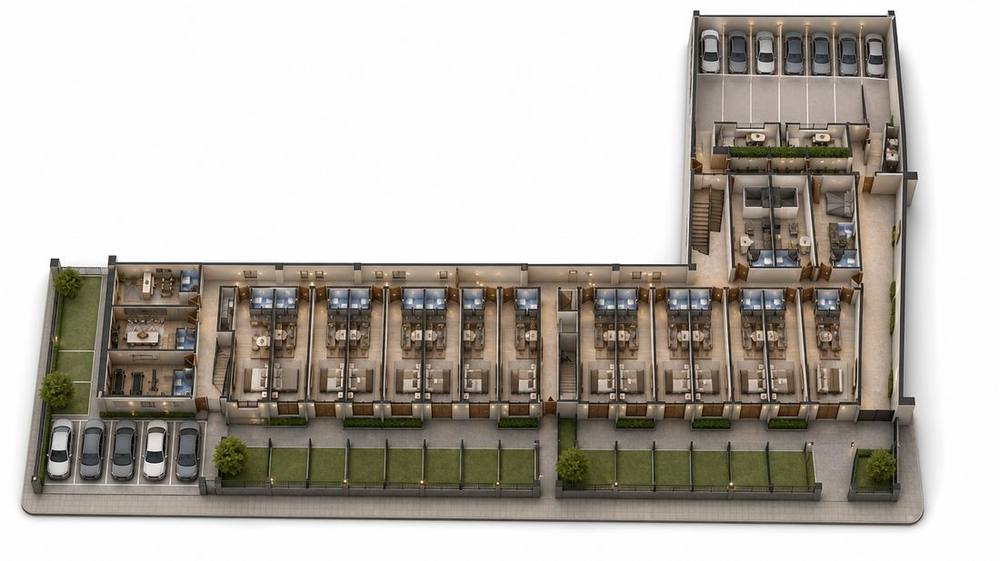
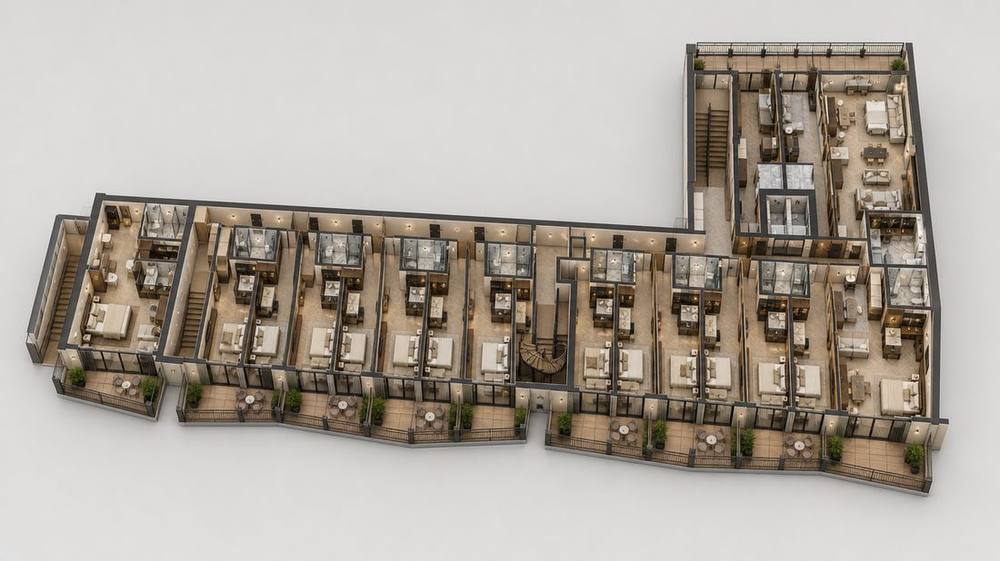
That is precisely what the corridor is short of, and precisely what The Spata Residence is: forty-one residences, each built to a 5.20 m clear height with its own mezzanine, so a compact footprint delivers the volume of something considerably larger. One specification, one plan, repeated without deviation across three drawn levels totalling 2,085 m².
Location, in numbers
- Athens International Airport — approx. 5 km
- Attiki Odos interchange — approx. 4 km
- Artemida and the east coast — approx. 8 km
- Rafina port — approx. 14 km
- Athens city centre — approx. 25 km
The honest part
Any developer can publish an occupancy figure. We would rather you obtained your own: pull the East Attica data yourself, or ask us and we will introduce you to a letting operator who works the corridor. A projection you verified is worth more than one we printed.
The same applies to residence-by-investment. Greece sets different minimum thresholds by region and by property category, and those thresholds have changed more than once. Confirm eligibility with your own lawyer before you commit to anything — including anything we tell you.
What we actually control
We are engineers before we are developers. We do not put our name on a structure we did not calculate ourselves, and we do not sign a programme we cannot hold. Everything above is market context; the part we are accountable for is that the building is right, on time, and finished when we hand it over.